

biocrates blog
Applications of metabolomics
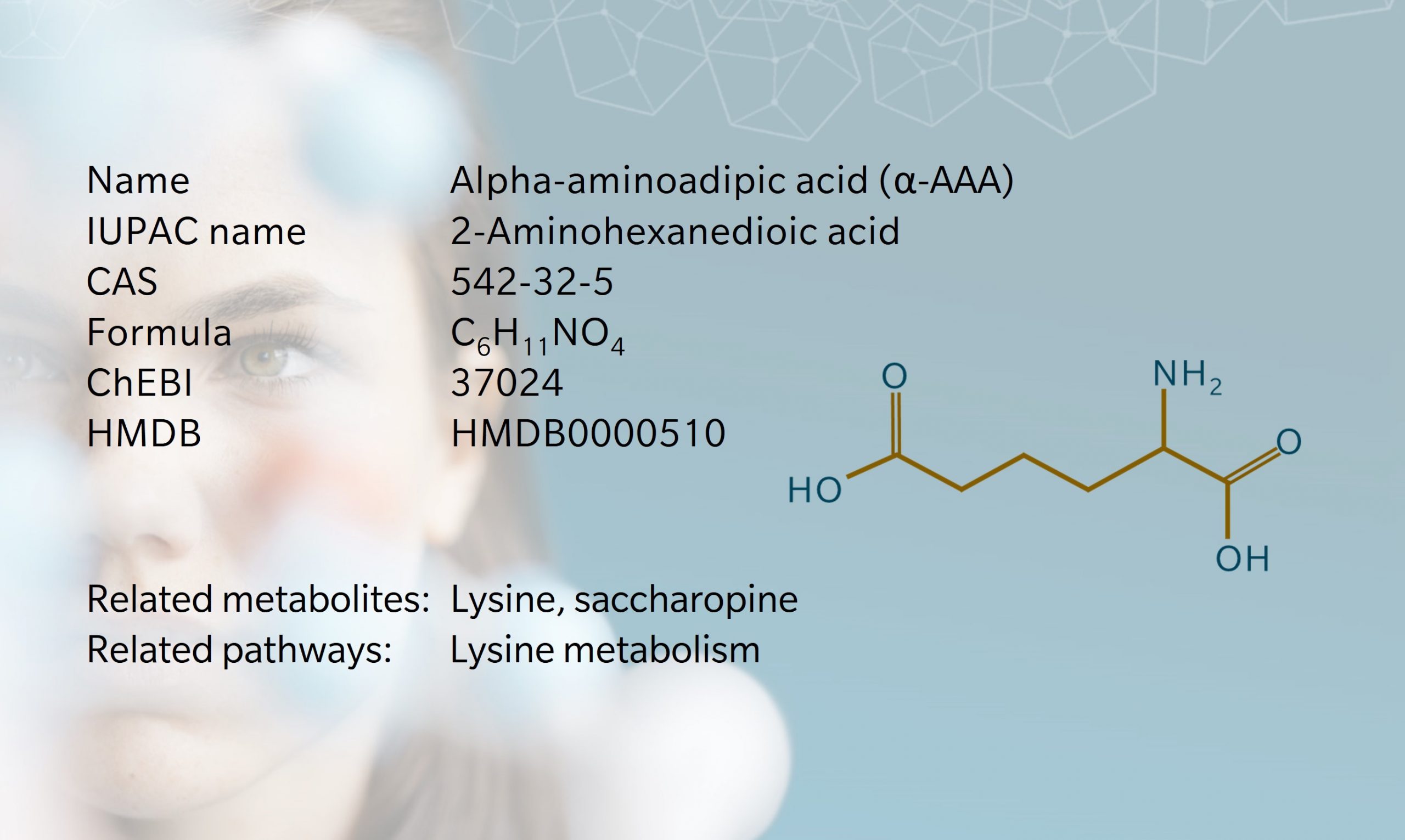
Alpha-aminoadipic acid – Metabolite of the month
Aminoadipic acid is an alpha amino acid, meaning its amino group is attached to the carbon atom in the alpha position. It’s a nonproteinogenic amino acid found in all eukaryotes.

Cell culture metabolomics – The shortcut to drug development
Cell culture metabolomics is an excellent tool to decrease drug development costs while increasing speed and success rate. Its applicability has been proven in numerous studies.
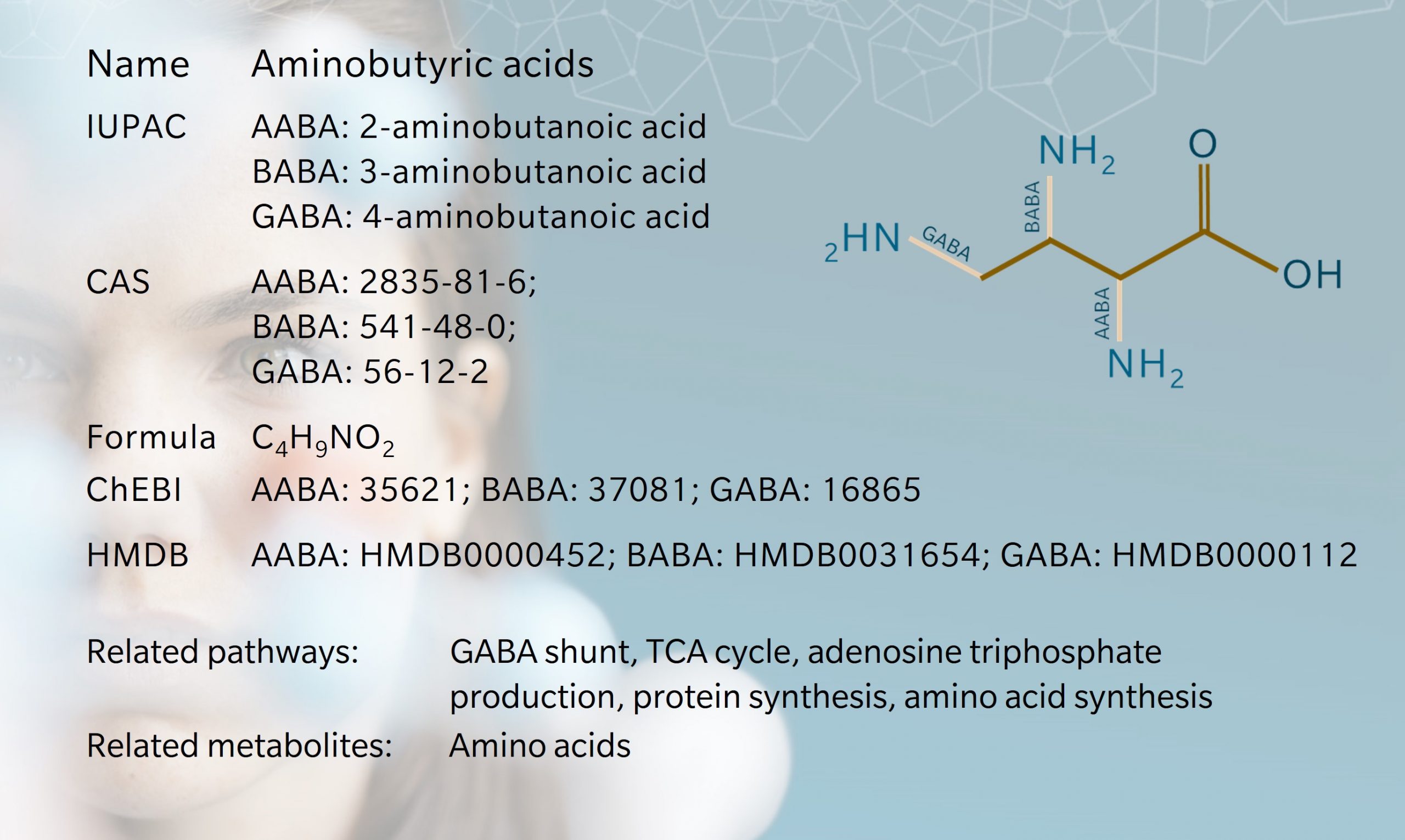
Metabolite of the month – Aminobutyric acids
Alpha-, beta- and gamma-aminobutyric acids (AABA, BABA and GABA) are a group of structurally similar nonproteinogenic amino acids.

Pan-cohort studies – The future of population health
With the second edition of this cohort event Pan-cohort studies – The future of population health- we are looking forward to expand into the physical spaces and stretch the scope beyond metabolomics.

WebIDQ the new evolution. Why the transition from MetIDQ?
During this webinar you can learn about WebIDQ, the next evolution of biocrates’ metabolomics workflow management and data processing software. With an intuitive user interface, WebIDQ guides users from sample registration through quantification and reporting.

Quantitative metabolomics database (QMDB)
During this webinar you can learn the benefits and possibilites of using the biocrates Quantitative metabolomics database (QMDB)
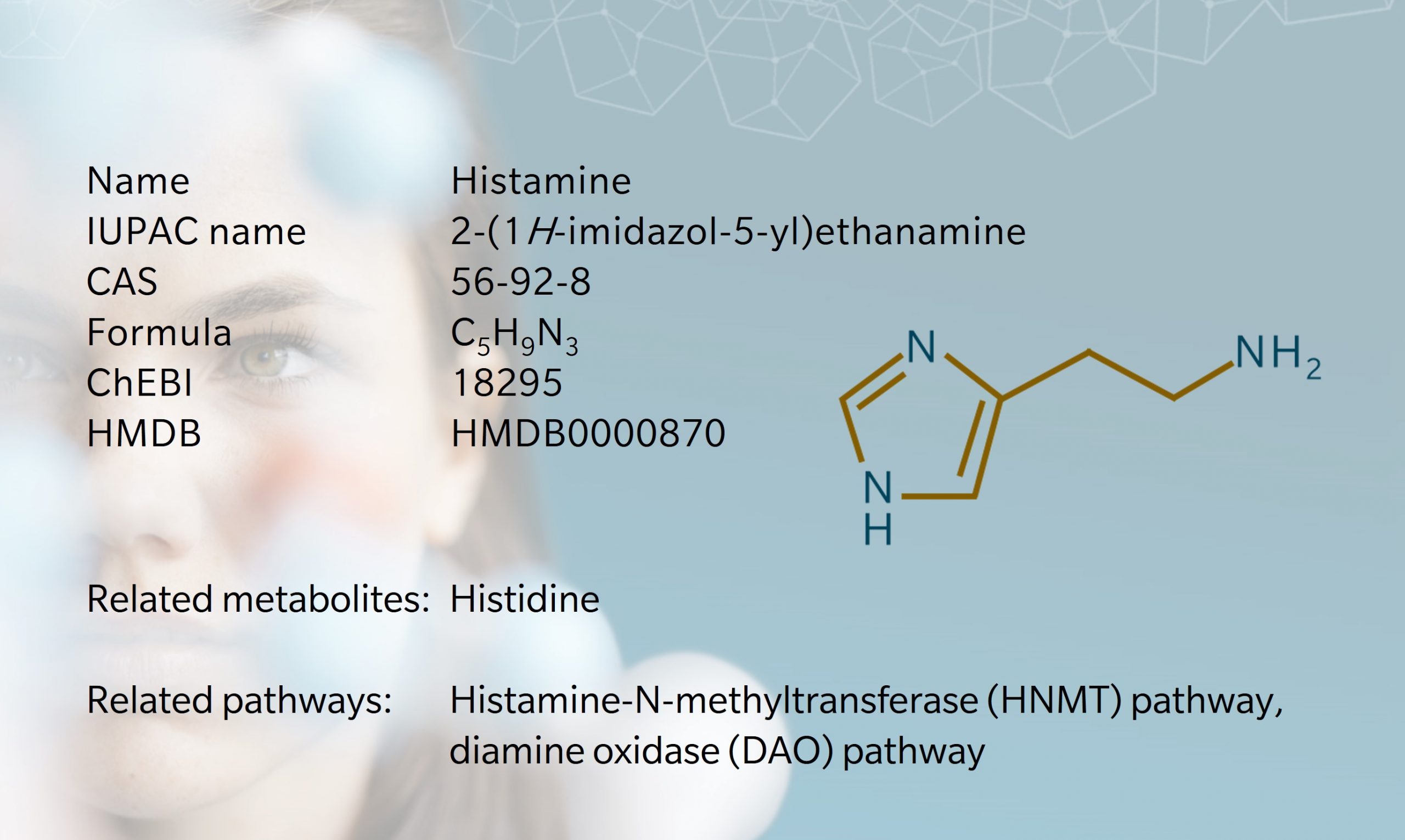
Histamine – Metabolite of the month
Histamine stimulates smooth muscle contraction, vasodilation, and gastric acid secretion, and plays a role in cell differentiation, proliferation and regeneration
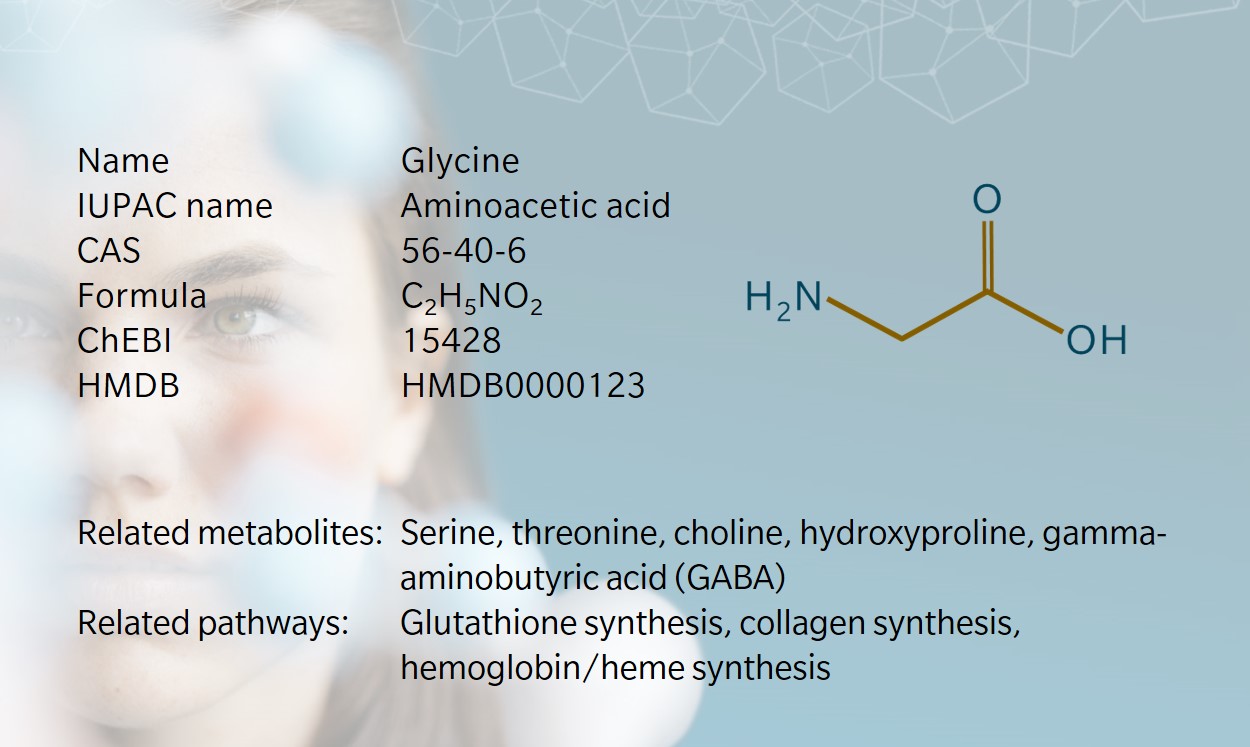
Metabolite of the month – Glycine
Glycine plays a role in metabolic regulation, neurological function, anti-oxidative reactions and protein synthesis. It offers multiple health benefits that may help to treat diabetes, cardiovascular disease, cancer, inflammation and obesity.

Short- and medium-chain fatty acids
During this webinar you can learn how microbiota impact the gut-immune axis through short- and medium-chain fatty acids

A metabolomics perspective on major depressive disorder
Depression has an impact on nitric oxide synthesis, urea cycle, inflammation, and ADMA levels. Metabolomics is a means to study depressive disorders and gives insights on disease etiology