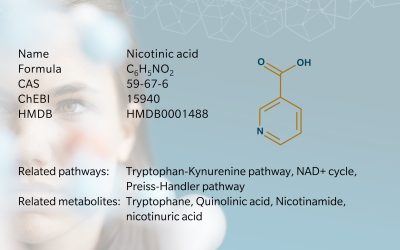
Nicotinic acid has evolved from a pellagra-curing vitamin to a context‑dependent metabolic modulator, linking vitamin B₃ biology with NAD⁺ metabolism, lipid regulation, immunity, and host–microbiome interactions. Its history and mechanisms exemplify how nutritional discoveries have shaped modern precision approaches to cardiometabolic and inflammatory disease.
All posts to the category
The microbiome is made of microorganisms living in and on our body. Through metabolism, the microbiome contributes essential metabolites that contribute to our health, but can also release toxic metabolites that contribute to disease. The study of the microbiome together with host biology is currently one of the hottest topics in biomedical research.
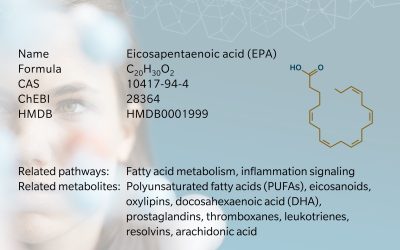
Eicosapentaenoic acid (EPA) – Anti-inflammatory lipid mediator
Eicosapentaenoic acid (EPA) is an omega‑3 polyunsaturated fatty acid that acts as a precursor to specialized pro‑resolving mediators, including resolvins, which actively dampen inflammatory responses.
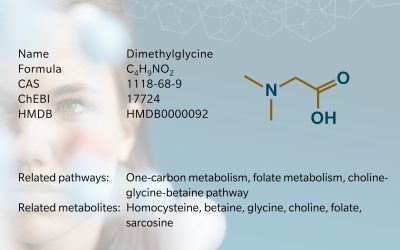
Dimethylglycine – from cold war hype to hot topic
Dimethylglycine is a molecular entry point into individualized, systems-oriented healthcare. Altered DMG levels have been linked to cardiometabolic risk and conditions such as myocardial infarction, diabetes, and metabolic dysfunction-associated liver disease.
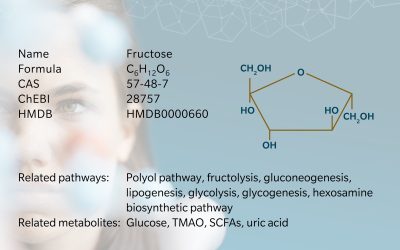
Fructose – sweet molecule with systemic impact
Fructose is a simple sugar found in fruits and honey, but also added to many processed foods. Unlike glucose, it is mainly metabolized in the liver, and excessive intake can contribute to metabolic and inflammatory health issues.
How metabolomics is improving healthcare – 6 must-read studies from 2025
biocrates’ standardized metabolomics empowers global research. Here is a selection of how our community of users has translated molecular fingerprints into insights for 5P medicine in 2025.