

- How it started | The 5P medicine framework
- How metabolites tell 5P stories
- From mechanisms to applications
- Feedback from the scientific community
- 5P medicine in our podcast | The Metabolomist
- The path ahead
biocrates’ mission is to make metabolomics accessible to facilitate breakthroughs in biomedical research. In 2025, we explored this mission through a fresh lens: that of ‘5P medicine’, which builds on insights drawn from omics to rethink how medicine is practiced. We looked at how the 5P framework brings together preventive, predictive, precision, population-based and participatory medicine to nudge healthcare from reactive to truly proactive and patient-centric.
This approach is especially powerful for complex chronic diseases, where genetics alone can indicate risk but cannot track how this risk evolves with lifestyle, environment, or aging. Metabolomics helps fill that gap.
We started the year hoping to showcase the myriad applications of metabolomics in life science research. What we didn’t expect was the amazing feedback from the scientific community and the new collaborations that presented themselves along the way.
Here, we look back at the milestones of 2025, from launching our most comprehensive kit to date to joining Biognosys Group, alongside a few takeaways from our most impactful activities in 2025.
How it started | The 5P medicine framework
Our starting point was a metabolomist’s view of the 5P medicine overview (see below), which shows how preventive, predictive, precision, population-based and participatory medicine come together in one framework. Each ‘P’ connects to specific research components uniquely supported by metabolomics, including risk scores, biomarkers, stratification, environmental variance and at-home sampling, and we see why metabolomics is such a natural fit for this approach.
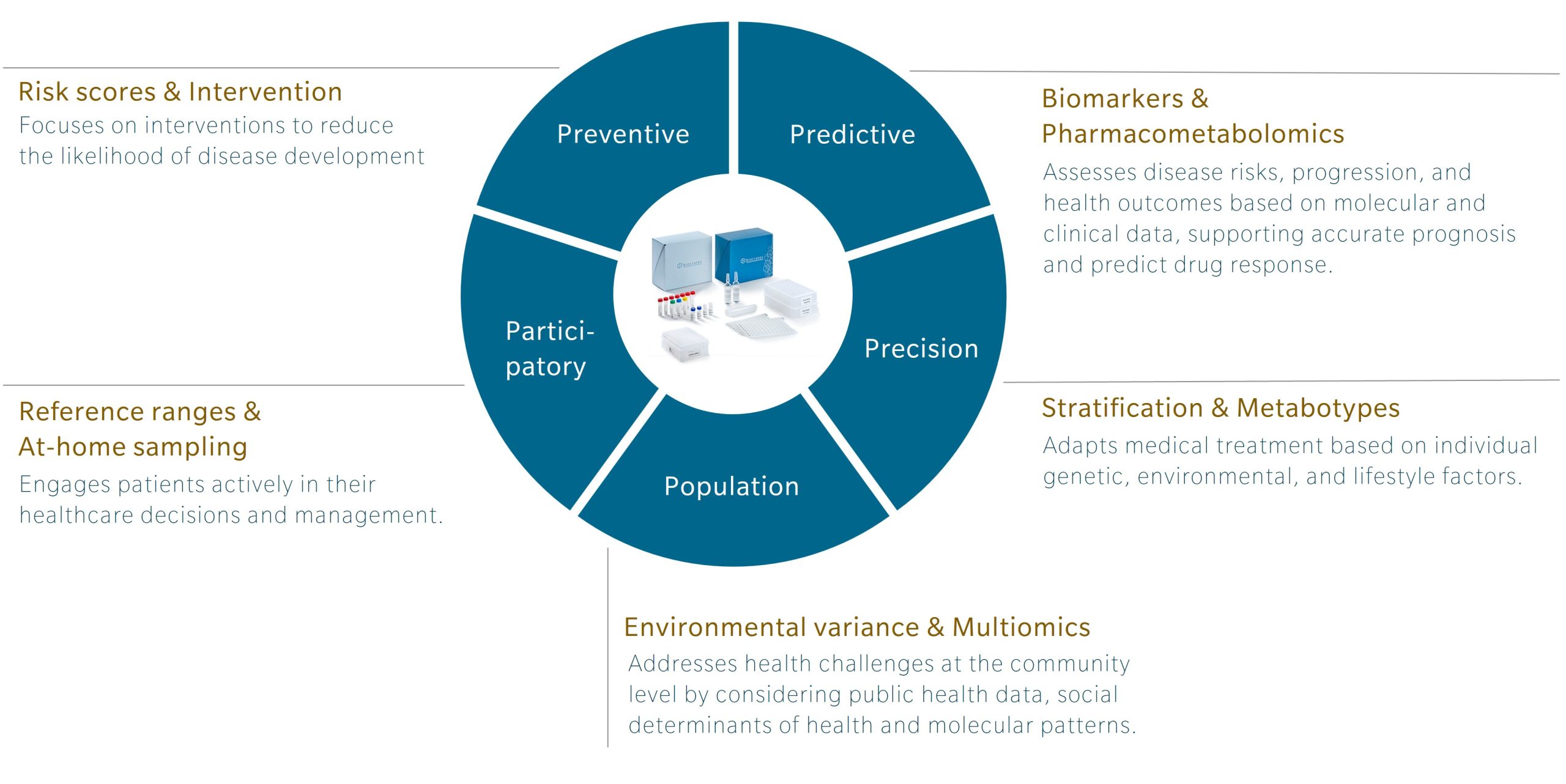
Building on that, we launched a five-part blog series written by Alice Limonciel , to look more closely at the role of metabolomics in 5P medicine:

“Preventive medicine” showed how metabolomics detects early metabolic shifts long before symptoms appear, enabling risk stratification, targeted lifestyle interventions and progress monitoring.

“Predictive medicine” focused on building metabolic signatures that forecast disease progression and treatment response, especially when metabolomics is combined with other omics in multiomics studies.

“Precision medicine” explored how quantitative metabolite panels reveal hidden subgroups and enable personalized prognostic/diagnostics and treatment optimization.

“Population-based medicine” scaled up to cohorts and biobanks, connecting metabolomics to exposomics while refining stratification methods through metabotyping, leveraging the power of molecular phenotypes.

“Participatory medicine” looked at at-home sampling and reference ranges for quantitative metabolomics that make medicine accessible to larger parts of the population, often at lower costs and for preventive and monitoring applications.
These articles formed the red thread of our guide to applying metabolomics in 5P medicine. You’ll find more on these themes throughout our articles, webinars, events and conference reports.
How metabolites tell 5P stories
In our “metabolite of the month” series, we look at one molecule each month and ask what it reveals about health. This year, we added a new section focused on the metabolite’s role in 5P medicine. Here are a few examples:
Methylmalonic acid (MMA)
Recognized as the most specific functional marker of vitamin B12 status, MMA holds promise for preventive and predictive medicine, with tight links to mitochondrial function, the gut microbiome and the nervous system.
Itaconic acid
Linking immune response and inflammation across obesity, cardiovascular, neurological and oncologic disease, itaconic acid is a powerful metabolite, acting as an early biomarker of inflammation and therapeutic response for preventive and predictive strategies. It’s also a promising precision target for future interventions.
Bilirubin
More than a waste product, bilirubin is a predictor of disease susceptibility, a target for preventive strategies in oxidative stress-driven disorders and a potential precision marker to guide personalized oncology and immunotherapy decisions.
p-cresol glucuronide (pCG)
Linking gut ecology to renal and systemic outcomes, pCG is measurable non-invasively in urine and blood for predictive and precision stratification, and is modifiable through diet and microbiome interventions to support preventive and participatory care.
From mechanisms to applications
While a single metabolite can play a role in many applications, some stories are better told with multiple protagonists. When using omics to describe the molecular presentation of a disease or the intricate mechanisms that support life, the focus needs to be on how groups of molecules interact. This is what we turned to in the articles below, which look at how metabolomics and lipidomics turn pathway insights into concrete clinical questions.
In “Energy metabolism in cancer – Mechanisms, plasticity and applications”, Gordian Adam, explored how metabolomics helps reveal the mechanisms driving cancer’s metabolic plasticity, from the Warburg effect and oncometabolites like lactate and 2-hydroxyglutarate to redox balance, lipid metabolism and the tumor microenvironment – view key takeaways here.
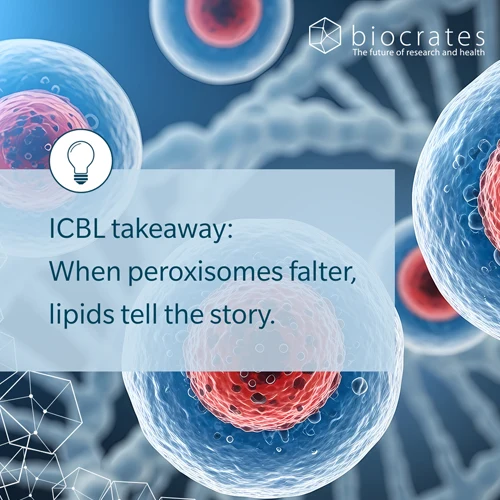
In “Peroxisome biogenesis disorders and the lipidome”, Franziska Hörburger reported from the International Conference on the Bioscience of Lipids (ICBL) 2025 that “when peroxisomes falter, lipids tell the story.” Early lipid remodeling – involving increased very long-chain fatty acids, decreased plasmalogens and decreased docosahexaenoic acid (DHA)-rich lipids – often precedes inflammation and tissue damage. These profiles are emerging as promising early markers of disease and show how targeted lipidomics can map changes and connect them to clinical phenotypes.
Feedback from the scientific community
Our 5P focus also shaped how we talked about biocrates at conferences, events and webinars.

At the American Society for Mass Spectrometry (ASMS) 2025, we launched the MxP® Quant 1000 kit , our most comprehensive kit to date, and really took the pulse of the community on the 5P concept. From the modular application of metabolomics and lipidomics to the wide-ranging applications of the results through the five pillars of 5P medicine, it all seemed to resonate really well – take a look at the highlights!
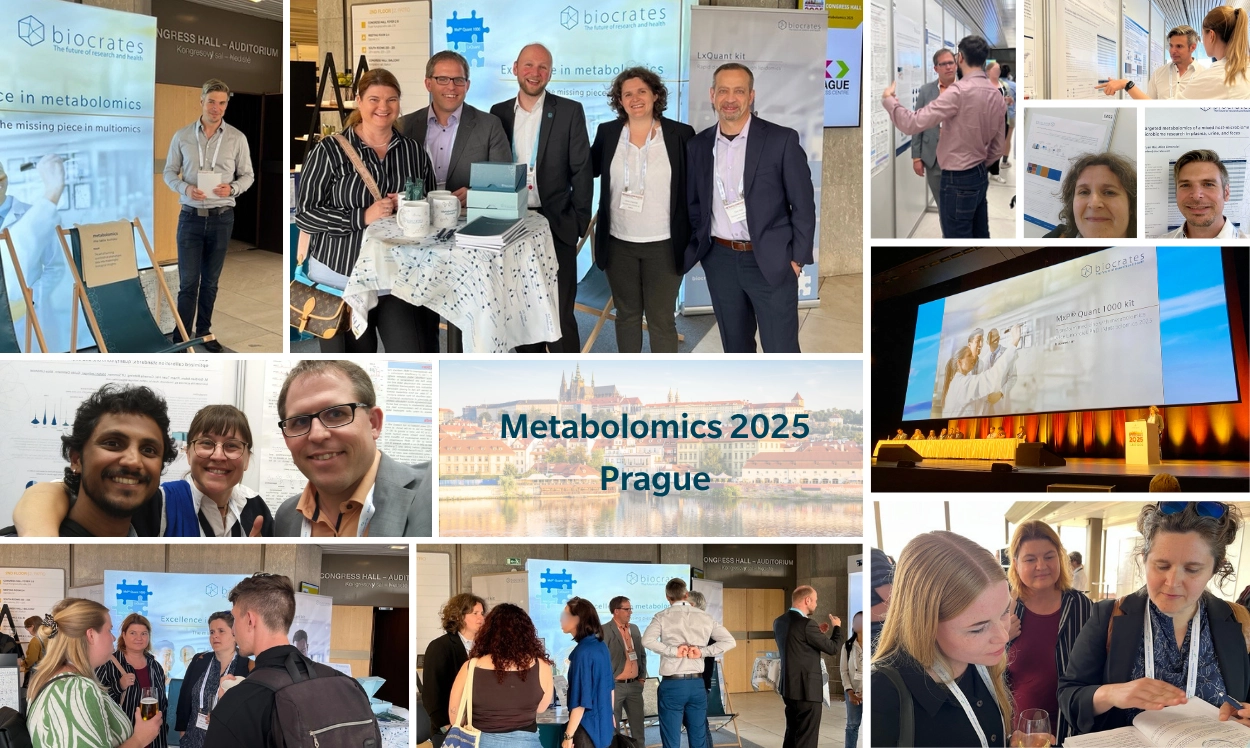
At Metabolomics 2025, we saw how strongly the community already lives the 5P medicine concept – from at-home sampling for skin microbiopsies for participatory and preventive care to metabolomics and lipidomics applications driving predictive and precision insights. For us, it confirmed that solutions like the MxP® Quant 1000 kit and insightful data interpretation are exactly what’s needed to bring omics closer to everyday practice.
In October, Sabine Bahn and Oliver Bathe, together with Alice Limonciel, highlighted how metabolomics is transforming neurology and oncology research within the framework of 5P medicine.

Metabolomics India 2025 webinar
Every year, we put the Indian metabolomics community in the spotlight. In this year’s virtual conference, our many speakers highlighted how discoveries made with metabolomics and multiomics will be leveraged by medicine in the near future.
Whether at in-person events or through your feedback after our webinars, you’ve shown us that the 5P vision resonates widely – and that standardized and robust metabolomics solutions are an essential step in the future contribution of metabolomics into everyday medical decision-making.
5P medicine in our podcast | The Metabolomist
You are currently viewing a placeholder content from YouTube. To access the actual content, click the button below. Please note that doing so will share data with third-party providers.
More InformationEvery season of our podcast has a specific focus and this year, of course, our theme was 5P medicine. This allowed us to dive into vastly different fields of research, including plant metabolism, exposomics, microbial metabolism, obesity, software development, method transfer and publication.
Here is a taster of what you’ll hear in our six episodes in 2025:
Cristina Legido-Quigley discusses the relevance of lipidomics in obesity and neurology, monitoring dietary interventions with lipidomics and the importance of sex differences to precision medicine.
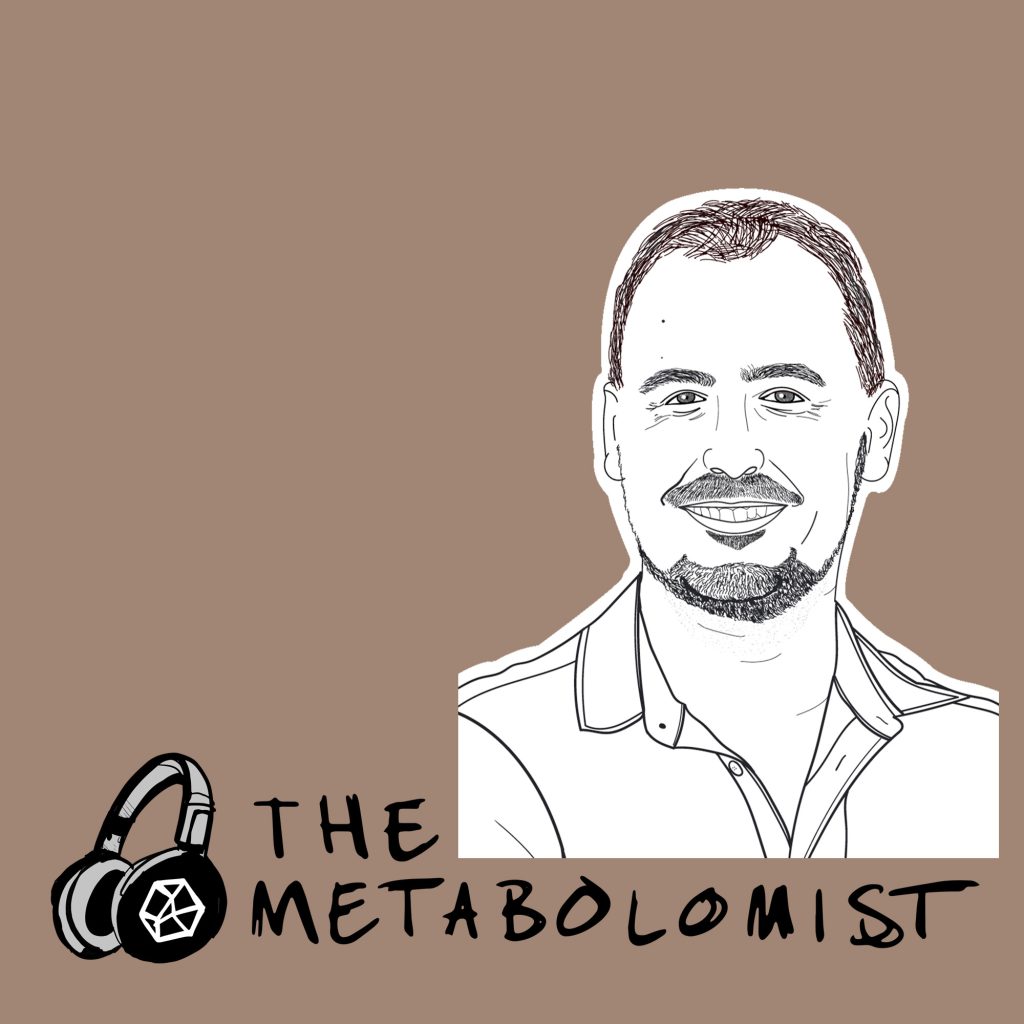
Tomáš Pluskal discusses the beauty and complexity of plant metabolism, sustainable ways to harness these molecules and pathways for medical applications, plus the development of one of the most widely used software tools in metabolomics.
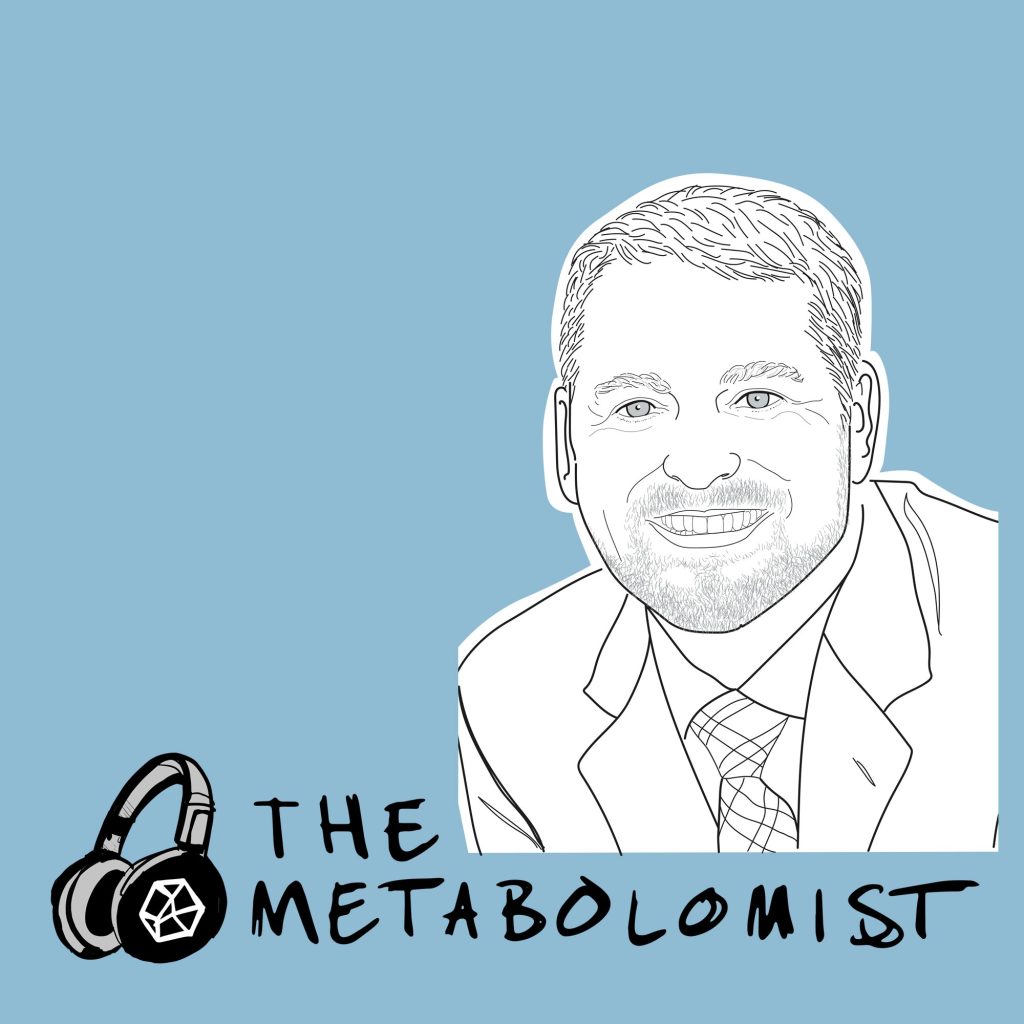
Gary Miller discusses the synergies of exposomics and metabolomics, the next frontier in multiomics integration and how exposomics promises to bolster all 5Ps and the future of medicine.
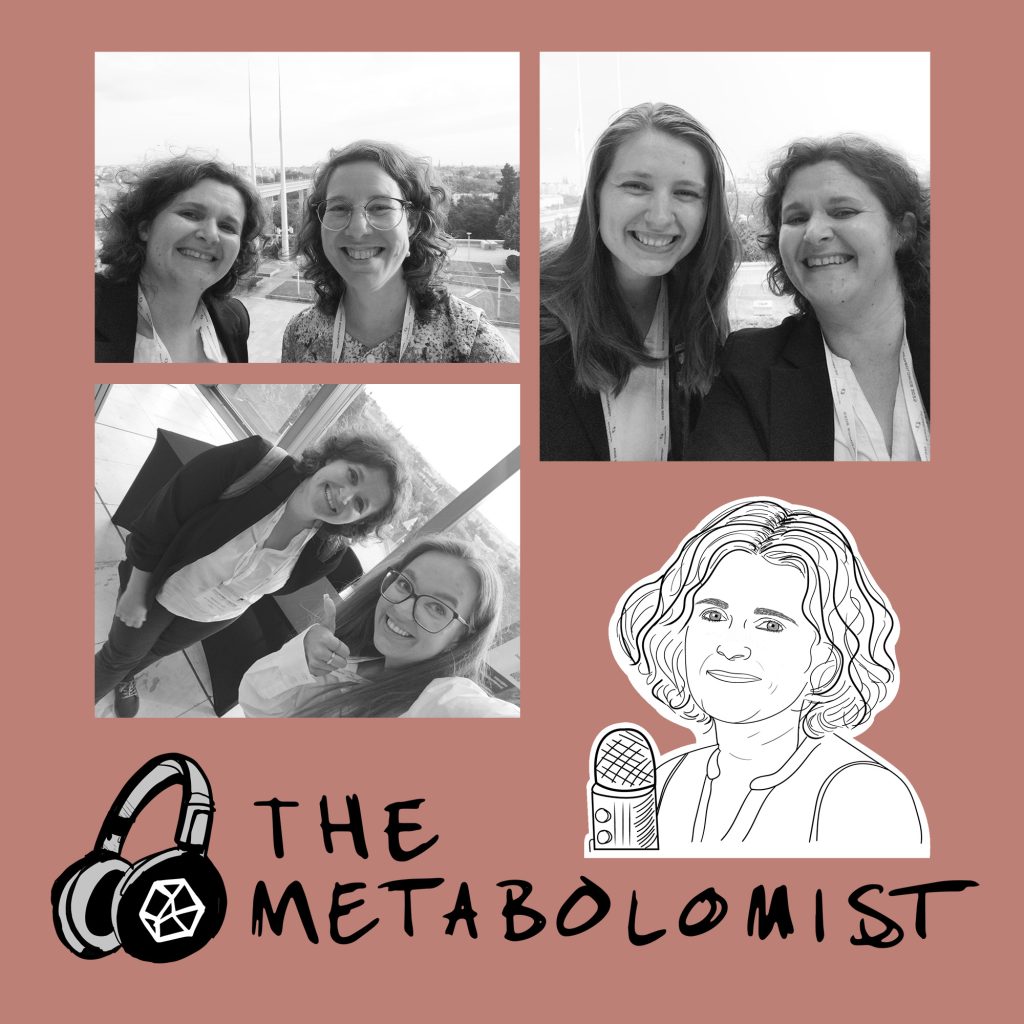
This episode features exclusive interviews collected by Alice at the 2025 Metabolomics Society conference in Prague, Czech Republic. In these recordings, we discover the small molecules and lipids that make the hearts of ten Metabolomists beat for their research.
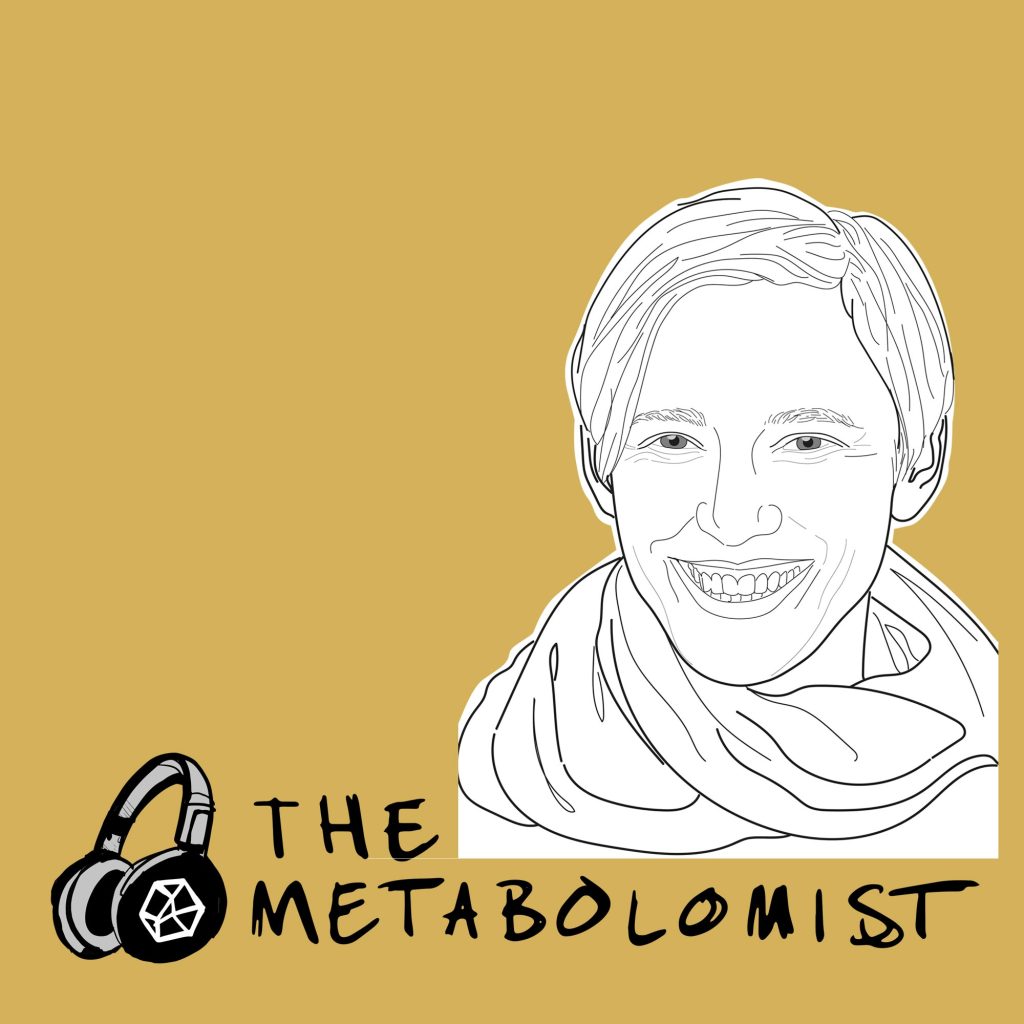
Anne Bendt discusses why metabolomics is a disrupting technology in the field of clinical chemistry, the most critical steps needed for its implementation in the clinics and the fascinating lipidomes of bacteria.
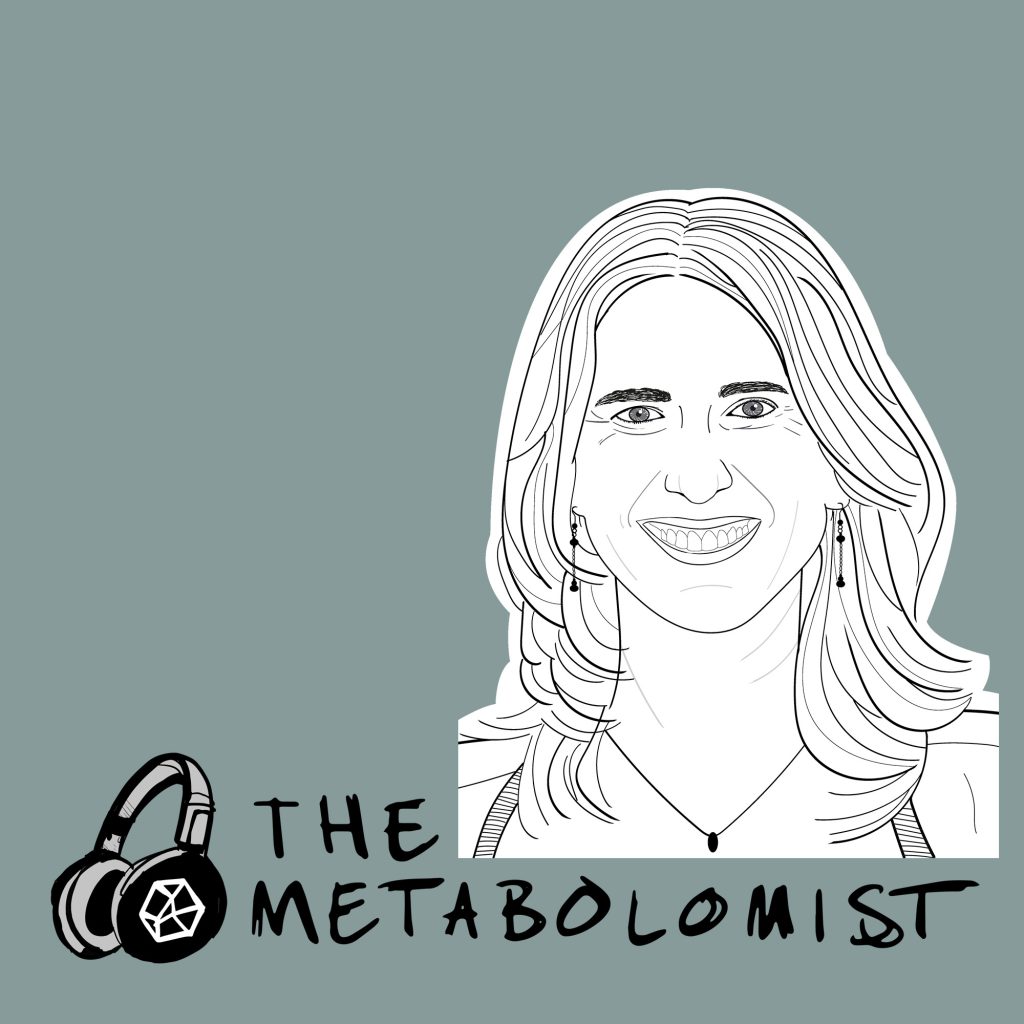
María Eugenia Monge discusses why building community matters in science, how to navigate the publishing world when establishing new methods in your lab and the region-specific implications of the implementation of metabolomics in the clinics.
The path ahead
If you’ve been following our activities over the last year, you’ll also know that in 2025 biocrates was acquired by Bruker and joined a new structure within this company: Biognosys Group.
Within this group, we bring expertise in metabolomics, lipidomics and mass spectrometry (MS) workflow standardization that will be paired with the expertise of other partners in proteomics and MS-based technologies. This new horizon promises to further enable the inclusion of metabolomics into broader workflows and applications that will surely support the contribution of omics to the 5P medicine framework.
To follow our next steps, make sure to register for our monthly newsletter.