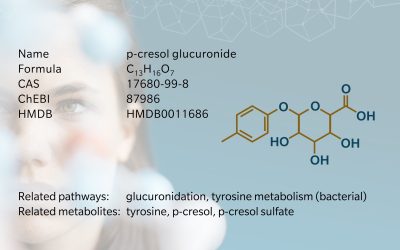

p-cresol glucuronide (pCG) is a liver-derived conjugate of the gut microbial metabolite p-cresol, excreted via the kidneys, and it reflects gut-microbiome activity in blood and urine.
All posts to the category
Metabolites are essential for life. They are the products of the chemical processes that occur in the body and are necessary for the body to function. Metabolites can be used as biomarkers to diagnose disease and to assess treatment efficacy.
In this blog, we’ll take a closer look at one specific metabolite. Topics of discussion include the biosynthesis and degradation in a broader health context, and the effects of dysregulation in disease.
cAMP – a currency of cell signaling
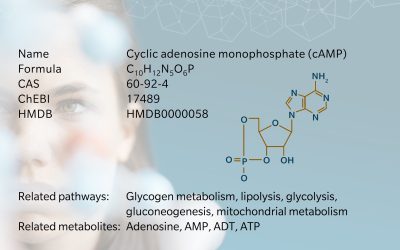
Cyclic adenosine monophosphate (cAMP) is a universal second messenger which translates extracellular cues into cellular responses regulating metabolism, gene expression, neurobiology, and immunity. Dysregulated cAMP signaling contributes to cancer, inflammation, and neurological disorders, making it a key target in precision medicine.
Bilirubin – from waste pigment to regulatory metabolite
Bilirubin reduces oxidative stress, supports liver and cardiovascular functions, and protects against inflammation-related health conditions.
Itaconic acid – from immune defense to a target in chronic disease
Itaconic acid shapes immune responses, affects the gut microbiome, and may influence cardiovascular, neurological, metabolic, and cancer outcomes.
Methylmalonic acid – key marker of vitamin B12 status and metabolism
Methylmalonic acid (MMA) is a key biomarker of vitamin B12 deficiency and plays a central role in energy metabolism.