Highlights from our team
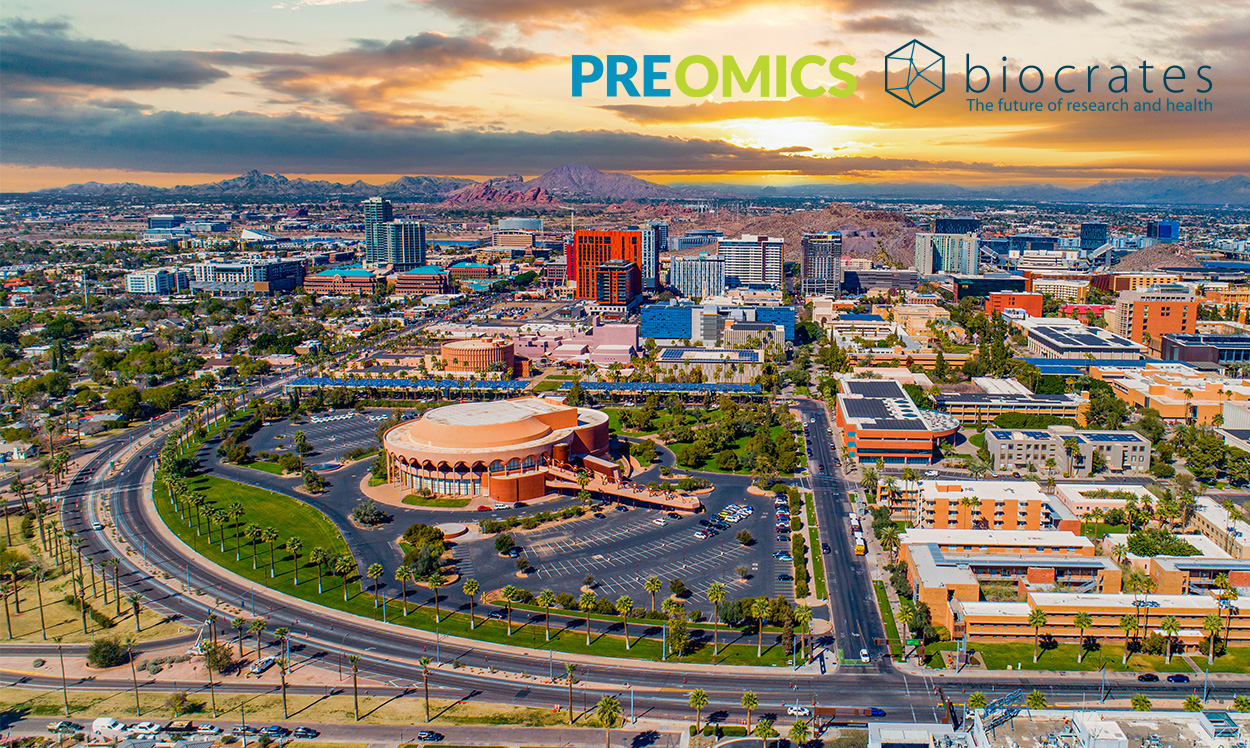
This year’s Arizona Metabolomics & T32 Symposium was hosted by Dr. Haiwei Gu and Dr. Corrie Whisner at Arizona State University in Phoenix, AZ. This one-day event highlighted a variety of emerging research topics and applications in the field of metabolomics, systems biology, and health.
The event featured a wide range of topics, from substance exposure in adolescent development, gut microbiome mechanisms, food insecurity studies, sitting time and cardiovascular disease health risk, metabolic biomarker discovery, and pathway analysis.
This conference marked the first joined attendance of a metabolomics event by biocrates and PreOmics in the US, since the creation of Biognosys Group. Here are the perspectives of two of our colleagues who attended the meeting together.

Throughout the day, the breadth and quality of presentations underscored just how versatile and far-reaching metabolomics has become. Several talks focused on the growing intersection between metabolomics and gut microbiome research – covering topics such as the health benefits of acetate and short-chain fatty acid supplementation, the impact of food insecurity on microbial stability, and how specific bacterial interactions shape glucose metabolism. Other presentations highlighted novel applications, including how prolonged sitting and inactivity can rapidly alter metabolic profiles, and how metabolomics can be leveraged to assess and even predict biological age. Discussions on metabolite identification and normalization further emphasized the field’s ongoing need for rigorous, reproducible analytical standards.
In addition to the excellent science presented at the conference, it was a pleasure to showcase our combined technologies at a shared table, which provided a unique opportunity to engage with metabolomics researchers and customers, about their metabolomics, but also proteomics strategies. We had the opportunity to engage with scientists regarding biocrates’ standardized metabolomics and lipidomics kits, including analytical methods tailored to their mass spectrometry instruments, and workflow management software. We could also expand the discussion towards PreOmics’ low to high throughput standardized kit and workflow solution for bottom-up proteomic sample preparation. Allowing us to showcase top market technologies to both experienced analytical chemists and newcomers to liquid chromatography mass spectrometry-based proteomics.
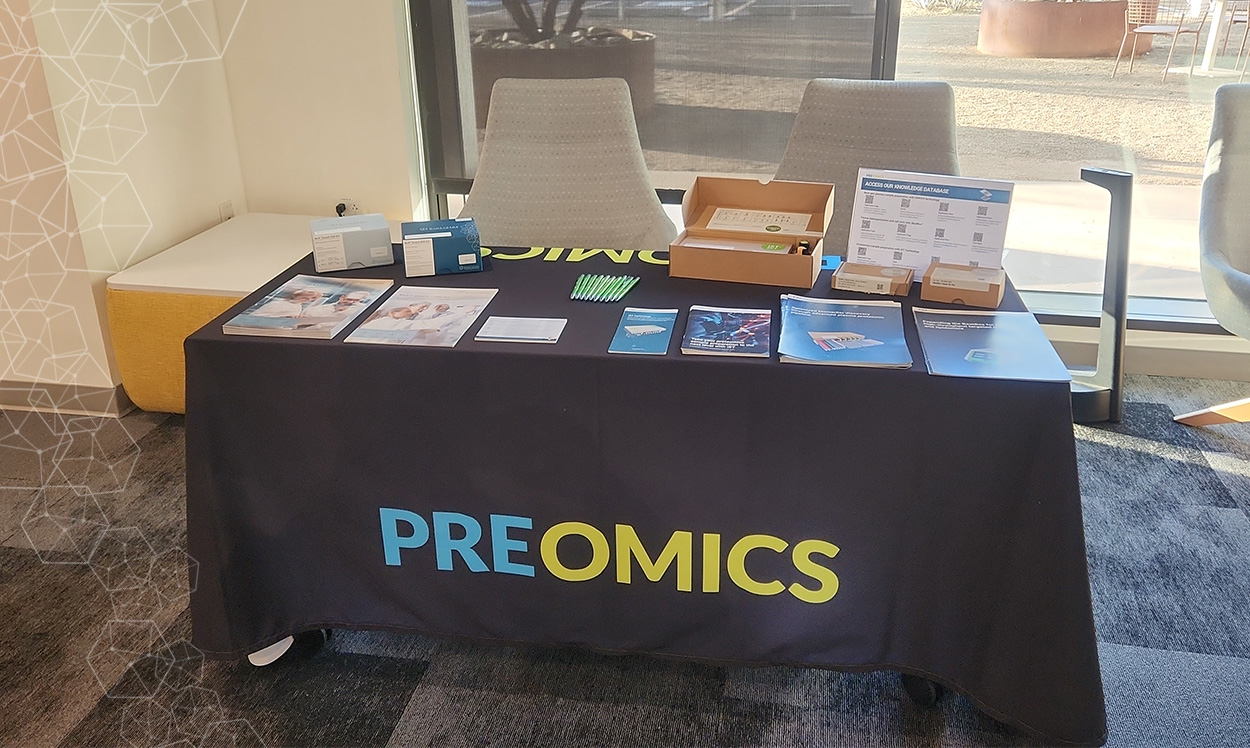
Our joint presence highlighted the power of combining metabolomics and proteomics to deliver richer, more connected insights that drive innovation across health and life science research.
Overall, the symposium served as a vibrant platform for advancing metabolomics research, strengthening regional collaboration, and fostering innovations aimed at improving health outcomes across diverse areas of study.