p-cresol glucuronide (pCG) is a liver-derived conjugate of the gut microbial metabolite p-cresol, excreted via the kidneys, and it reflects gut-microbiome activity in blood and urine.
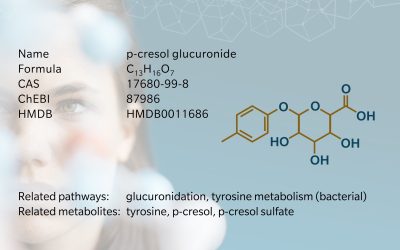
p-cresol glucuronide – detoxicant or uremic toxin?
read more
Get monthly updates on metabolomics news and events


All posts to the category
The microbiome is made of microorganisms living in and on our body. Through metabolism, the microbiome contributes essential metabolites that contribute to our health, but can also release toxic metabolites that contribute to disease. The study of the microbiome together with host biology is currently one of the hottest topics in biomedical research.
p-cresol glucuronide (pCG) is a liver-derived conjugate of the gut microbial metabolite p-cresol, excreted via the kidneys, and it reflects gut-microbiome activity in blood and urine.
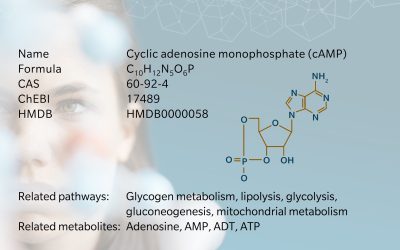
Cyclic adenosine monophosphate (cAMP) is a universal second messenger which translates extracellular cues into cellular responses regulating metabolism, gene expression, neurobiology, and immunity. Dysregulated cAMP signaling contributes to cancer, inflammation, and neurological disorders, making it a key target in precision medicine.

Cancer cells rely on altered energy metabolism to fuel growth. See how metabolomics sheds light on these changes and their impact on tumor progression and therapy.
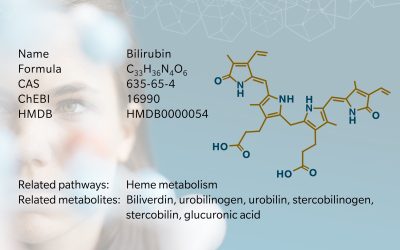
Bilirubin reduces oxidative stress, supports liver and cardiovascular functions, and protects against inflammation-related health conditions.
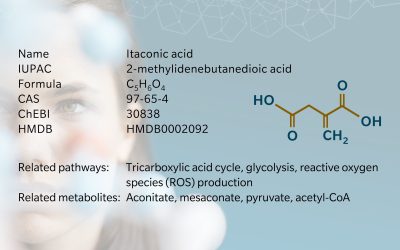
Itaconic acid shapes immune responses, affects the gut microbiome, and may influence cardiovascular, neurological, metabolic, and cancer outcomes.